
The Fortified Restaurant: Essential Security Practices for Your POS
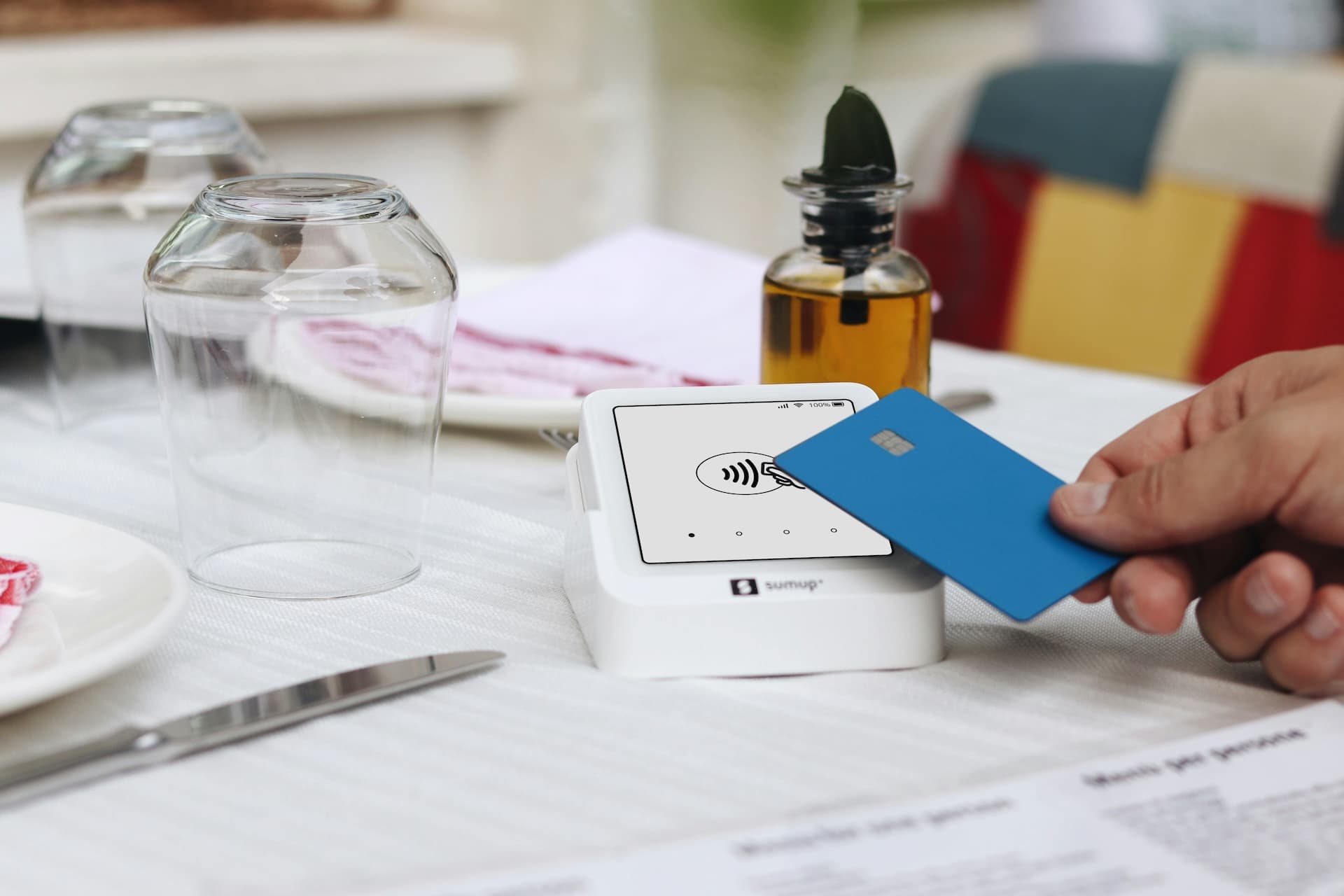
In an era where "cash is king" has been replaced by "contactless is queen," the restaurant industry sits on a goldmine of sensitive data. Every swipe, dip, or tap captures financial information that cybercriminals are eager to exploit. A breach doesn't just mean financial loss; it means a shattered reputation that can take years to rebuild.
The hospitality sector has become a primary target for cyberattacks, not because the data is more valuable than banking data, but often because the defenses are perceived as weaker. This comprehensive guide will walk you through the essential strategies to harden your defenses and protect your business.
The Reality of Restaurant Cyber Threats
Restaurants are often viewed as "soft targets" compared to banks or tech giants. Many operate on outdated legacy systems, use default passwords on their networks, or share Wi-Fi with guests. Hackers know this. They deploy malware to scrape card data from RAM, use phishing emails to gain network access, or exploit unpatched software vulnerabilities.
The consequences of a breach are severe and multifaceted:
- Financial Penalties: Hefty fines from card issuers and regulatory bodies.
- Legal Liability: Potential lawsuits from affected customers.
- Operational Disruption: Downtime while systems are scrubbed and restored.
- Reputational Damage: A mass exodus of customers who no longer trust you with their credit cards.
Pillars of POS Security
Securing your restaurant requires a multi-layered approach, often referred to as "defense in depth." It's not just about one piece of software; it's about a culture of security.
1. End-to-End Encryption (E2EE) and Tokenization
Your POS system should never store raw credit card numbers. Modern systems use End-to-End Encryption (E2EE) to scramble card data the moment it enters the card reader. It remains encrypted until it reaches the payment processor. Even if a hacker intercepts the data in transit, all they get is a useless string of gibberish.
Furthermore, Tokenization replaces sensitive card data with a unique, non-sensitive equivalent (a token) that has no extrinsic or exploitable meaning or value. This token allows you to process refunds or recurring charges without ever holding the actual card number.
2. Network Segmentation
Your guest Wi-Fi should never be on the same network as your POS system. If a customer's infected device connects to your Wi-Fi, it shouldn't be able to "see" or talk to your payment terminals. Segmenting your network creates a digital firewall, keeping your critical business operations (POS, back-office computers, inventory systems) isolated from public traffic.
3. Employee Access Controls
Internal threats are just as dangerous as external ones. Not every server needs administrative privileges. A robust POS system allows you to define strict roles (Role-Based Access Control or RBAC).
- Managers: Can authorize voids, comps, and refunds.
- Servers: Can enter orders and take payments.
- Kitchen Staff: Can view orders but not financial data.
This minimizes the risk of internal theft (like "wagon wheel" fraud) and accidental data exposure.
Looking to Build Your Restaurant Management System?
EatlyPOS is a modern, responsive frontend template built with Next.js that provides a solid foundation for developing a complete restaurant management system. Visit our homepage to explore the interactive demo, check available licenses, and kickstart your development with a professional codebase.
Physical Security: The Overlooked Vector
Cybersecurity isn't just about code; it's about hardware.
Guarding Against Skimmers
Credit card skimmers—small devices overlayed on card terminals to steal magnetic stripe data—are evolving. Inspect your terminals daily. Look for:
- Loose or wiggly card readers.
- Mismatched colors or materials.
- Hidden cameras pointed at the keypad.
Device Management
Ensure your POS tablets or terminals are physically secured to the counter or locked away when not in use. A stolen tablet isn't just a hardware loss; if not properly secured, it can be a gateway into your entire network.
The Human Firewall: Training Your Staff
Technology is only half the battle. Your staff is your first line of defense.
- Phishing Awareness: Regularly train employees on how to spot phishing emails. A common tactic is sending a fake invoice attachment that installs malware when opened.
- Password Hygiene: Enforce strong password policies. "1234" or "password" are invitations for trouble. Implement Multi-Factor Authentication (MFA) for all manager and back-office accounts.
- Vigilance: Encourage staff to report any odd system behavior immediately, such as a terminal restarting randomly or a suspicious person tampering with devices.
Staying Compliant: The PCI-DSS Standard
The Payment Card Industry Data Security Standard (PCI-DSS) is a set of security standards designed to ensure that all companies that accept, process, store or transmit credit card information maintain a secure environment.
Failing to be PCI compliant can result in fines ranging from $5,000 to $100,000 per month. Modern cloud-based POS systems often handle the heavy lifting of PCI compliance for you, but you must verify this with your provider.
Your Security Checklist
To wrap up, use this checklist to audit your restaurant's security posture:
- Network: Is the POS network separate from the guest Wi-Fi?
- Passwords: Are all default passwords changed to strong, unique passphrases?
- Updates: Is your POS software and antivirus updated to the latest version?
- Access: Do employees have the minimum necessary permissions?
- Physical: Are terminals inspected daily for tampering?
- Backup: Is your data backed up securely and automatically?
Conclusion
Security is not a "set it and forget it" feature; it's an ongoing process. By investing in a modern, secure POS platform and educating your team, you turn your restaurant into a fortress. Your customers come to you for great food and hospitality—make sure they leave with their data safe and sound.