

The Case for Digital Waitlists Over Paper Lists
A clipboard and a pen still work, technically. But digital waitlist tools solve problems paper never could, from accurate wait estimates to guests who don't have to stand crowded by the door.

Every POS system goes down eventually, whether from an internet outage, a server issue, or a hardware failure. Whether that becomes a minor hiccup or a full night of chaos depends entirely on a plan made in advance.
A clipboard and a pen still work, technically. But digital waitlist tools solve problems paper never could, from accurate wait estimates to guests who don't have to stand crowded by the door.

Finding out you're out of a key ingredient when a guest orders it is the most expensive way to discover a stock problem. Real-time alerts move that discovery hours or days earlier.

Most order errors don't happen because staff are careless. They happen because information gets re-typed or relayed by hand between disconnected systems. Integration removes the retyping.

Most restaurants staff and prep based on gut feeling and last week's memory. The data to predict slow nights with real accuracy is usually already sitting in the POS, unused.

QR code ordering became a pandemic-era default and never fully went away. But guest sentiment is more divided than most restaurants assume. Here's what the data and the complaints actually say.
A POS system that lags for two seconds per transaction doesn't sound like much, until you multiply it across a Friday night rush. Here's what slow software actually costs a restaurant.

Migrating from spreadsheets to dedicated restaurant software is daunting but transformative. Here's a realistic roadmap based on restaurants that have done it.

Paper ticket systems feel familiar and cheap, but they're silently costing your restaurant in errors, speed, and accountability. Here's what you're actually paying.

You don't need a data team to use analytics effectively. Here's how small restaurants can pull actionable insights from the data they already have.

Slow or unreliable WiFi silently drives customers away and cripples your POS system. Here's how to fix your restaurant's network before it costs you more.
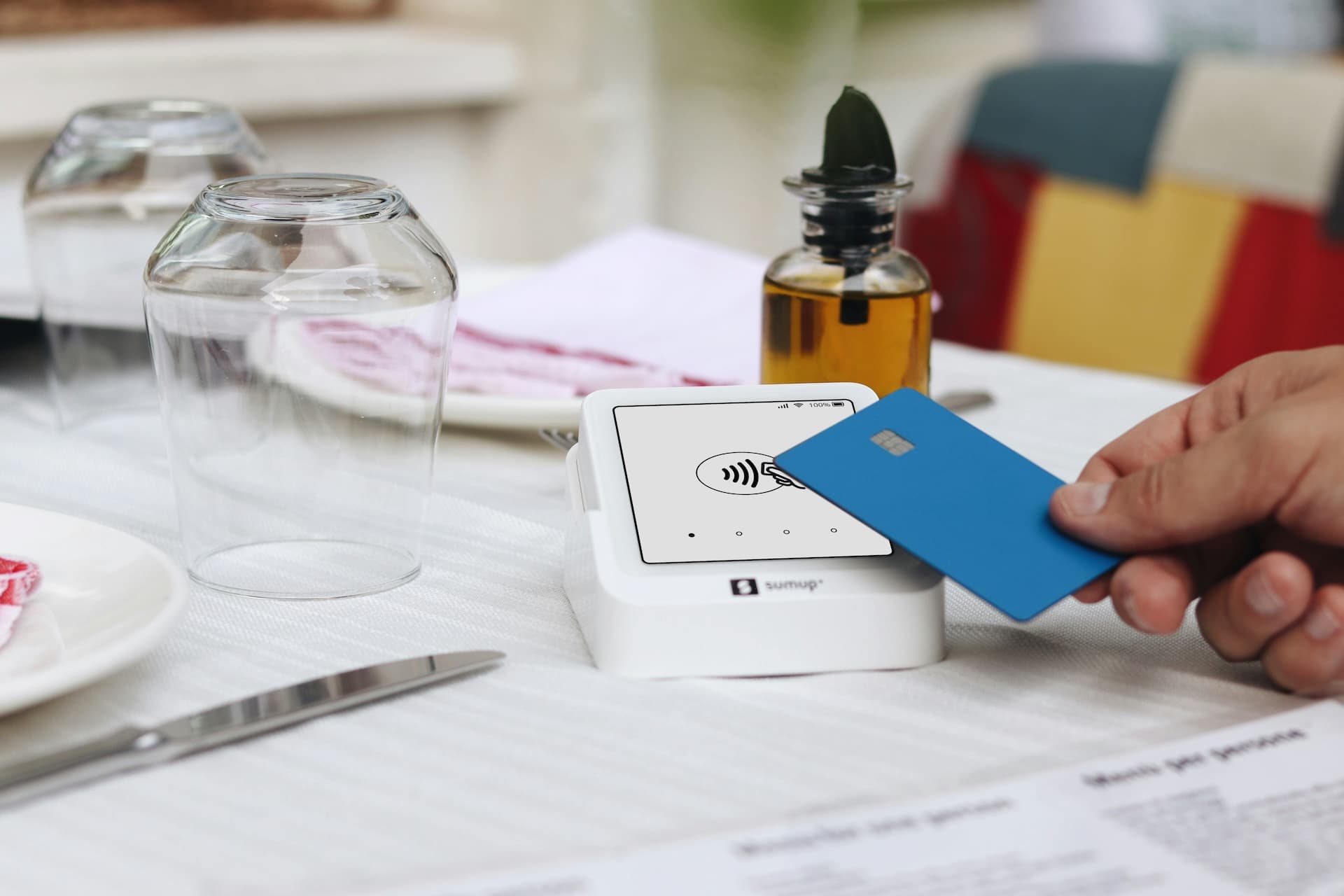
As digital transactions dominate the dining landscape, restaurants have become prime targets for cyberattacks. Discover how to lock down your POS system and build trust with your customers.

The debate between modern tablet-based POS systems and traditional legacy terminals is ongoing. We break down the pros and cons of each to help you make an informed choice.
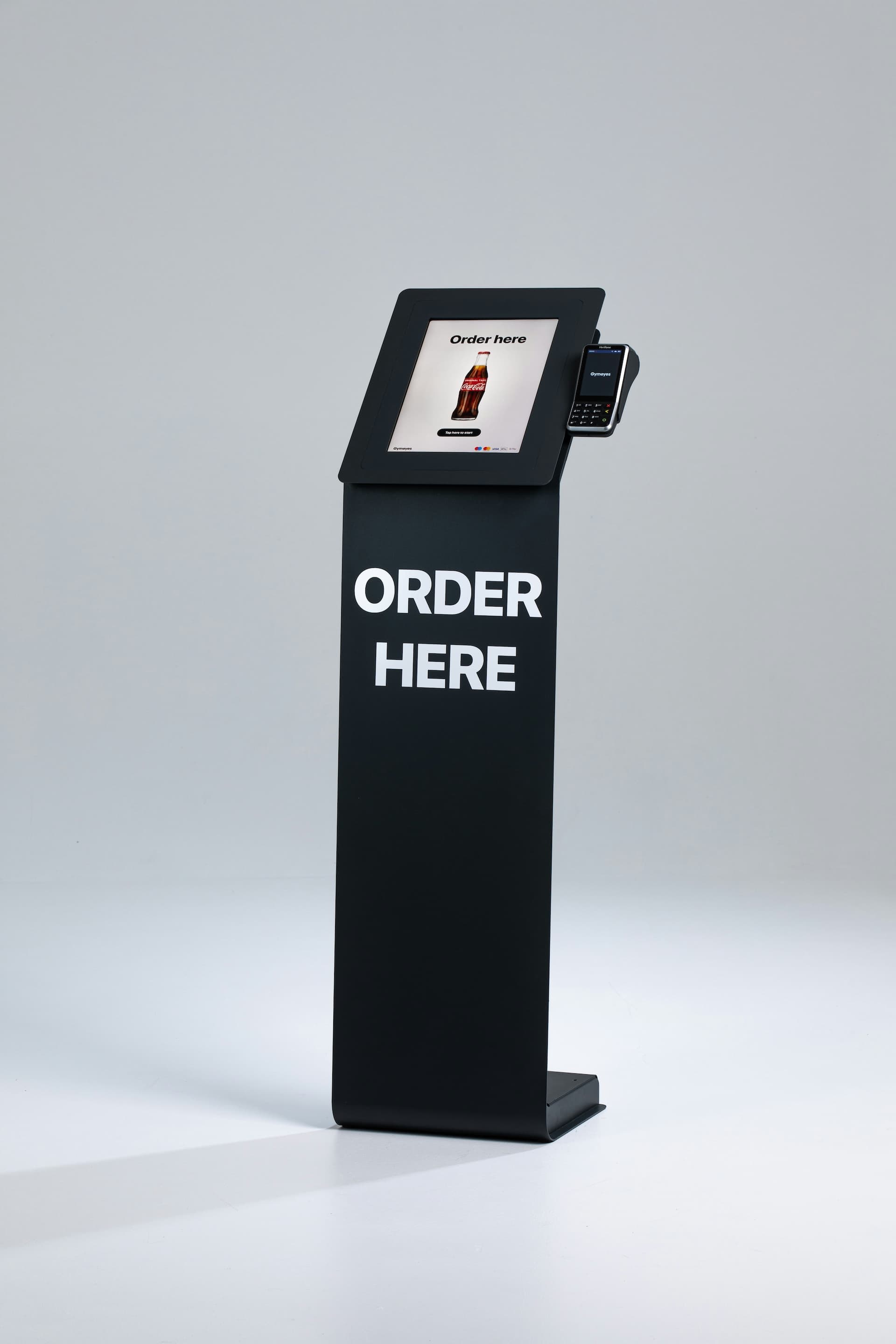
As customer preferences shift towards speed and convenience, self-ordering kiosks are becoming a staple in modern restaurants. Explore the benefits and implementation strategies.
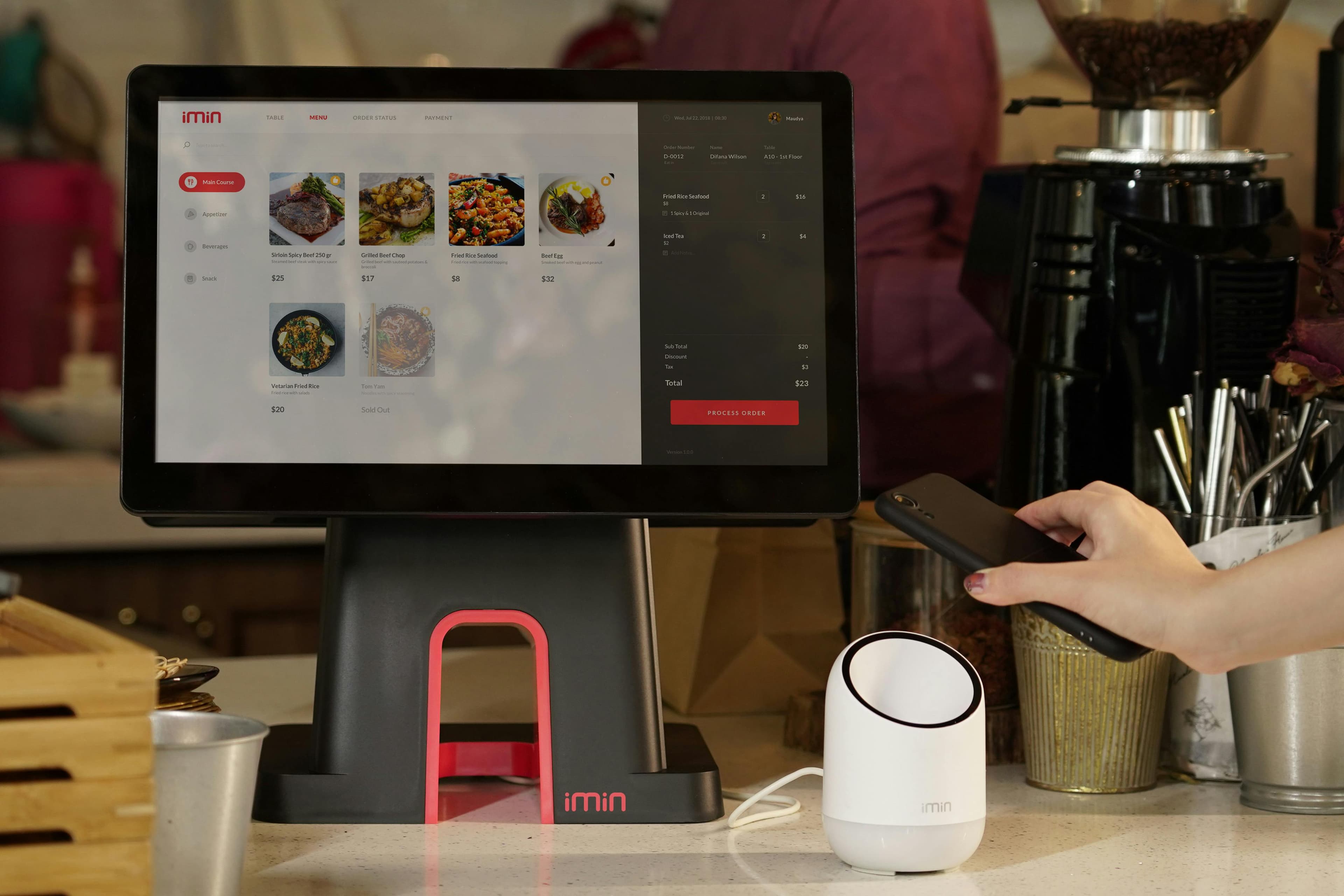
Behind every great restaurant is a kitchen that runs efficiently. Discover how POS data can transform your kitchen workflow—from reducing prep time to streamlining communication and improving order accuracy.

Artificial Intelligence is reshaping how restaurants operate—from predicting tomorrow’s demand to personalizing guest experiences in real time. Here’s how AI-driven POS systems are redefining efficiency, profitability, and customer loyalty.

In an era defined by rapid technological advancement, the restaurant industry is undergoing a profound transformation. The traditional Point of Sale (POS) system, once a mere transactional tool, is evolving into a sophisticated hub powered by Artificial Intelligence (AI) and Machine Learning (ML). This evolution is not just about automating tasks; it's about fundamentally reshaping how restaurants operate, interact with customers, and make strategic decisions. AI and ML are enabling unprecedented levels of personalization, efficiency, and predictive capabilities, moving beyond basic data processing to offer intelligent insights that drive growth and enhance the dining experience. This blog post will delve into the transformative impact of AI and ML on restaurant POS systems, exploring how these technologies are revolutionizing both customer experience and operational efficiency, while also addressing the challenges and future trends in their adoption.
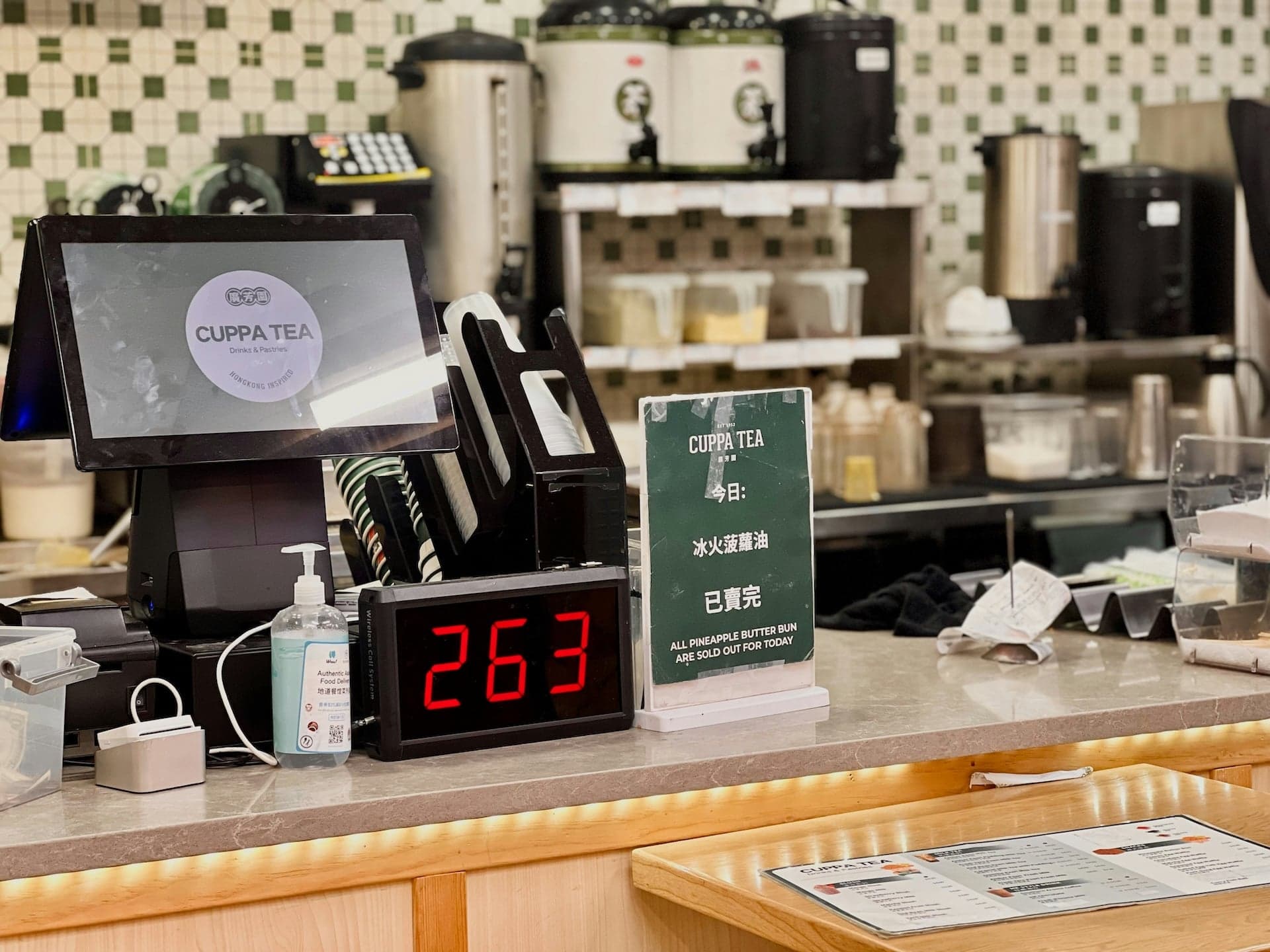
In the bustling world of culinary arts, where every second counts and customer satisfaction is paramount, a robust Point of Sale (POS) system is no longer a luxury but a fundamental necessity.
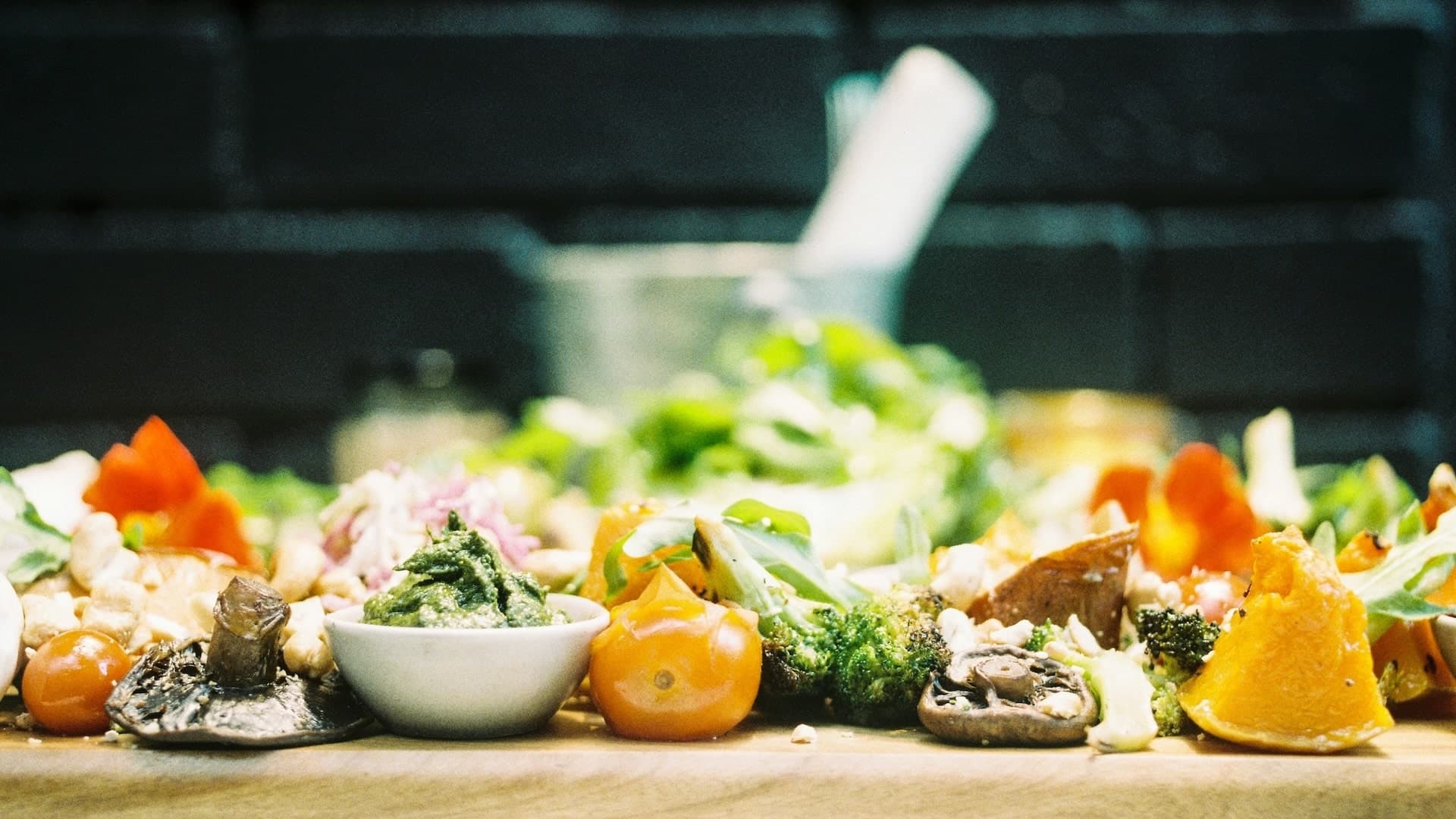
In the vibrant yet demanding world of restaurants, where culinary creativity meets operational precision, one often-overlooked aspect carries significant weight: waste management.

In the dynamic and ever-evolving culinary world, the success of a restaurant hinges not only on its delectable dishes and inviting ambiance but also on its operational efficiency.